Understanding Climate Zone 3A and Your Crawl Space Challenges
If you own a home in Jacksonville, you're living in Climate Zone 3A, a region defined by warm summers, mild winters, and persistently high humidity levels. This climate creates a unique set of challenges for homeowners, especially when it comes to crawl spaces. Unlike attics, which sit above your living space, crawl spaces are partially below ground and exposed to soil moisture, groundwater vapor, and outdoor humidity that seeps in through vents and gaps.
The problem becomes particularly acute during Jacksonville's humid months, when moisture accumulation in your crawl space can lead to mold growth, wood rot, pest infestations, and structural damage. Traditional insulation materials like fiberglass batts absorb moisture, lose their R-value effectiveness, and create an environment where problems multiply. This is where Sneads Ferry and surrounding area homeowners have discovered that modern crawl space insulation solutions offer real, measurable benefits that older methods simply cannot match.
How Crawl Space Spray Foam Outperforms Traditional Insulation
When you're evaluating the best insulation for crawl space applications, it's critical to understand why spray foam stands apart from conventional options. Closed Cell Spray Foam Insulation creates an air-tight, moisture-resistant barrier that doesn't absorb water the way fiberglass or cellulose does. This is especially important in Climate Zone 3A, where humidity levels can fluctuate dramatically between seasons. The closed-cell structure of the foam essentially seals your crawl space, preventing humid air from infiltrating the space where your home's rim joists, pipes, and electrical systems are located.
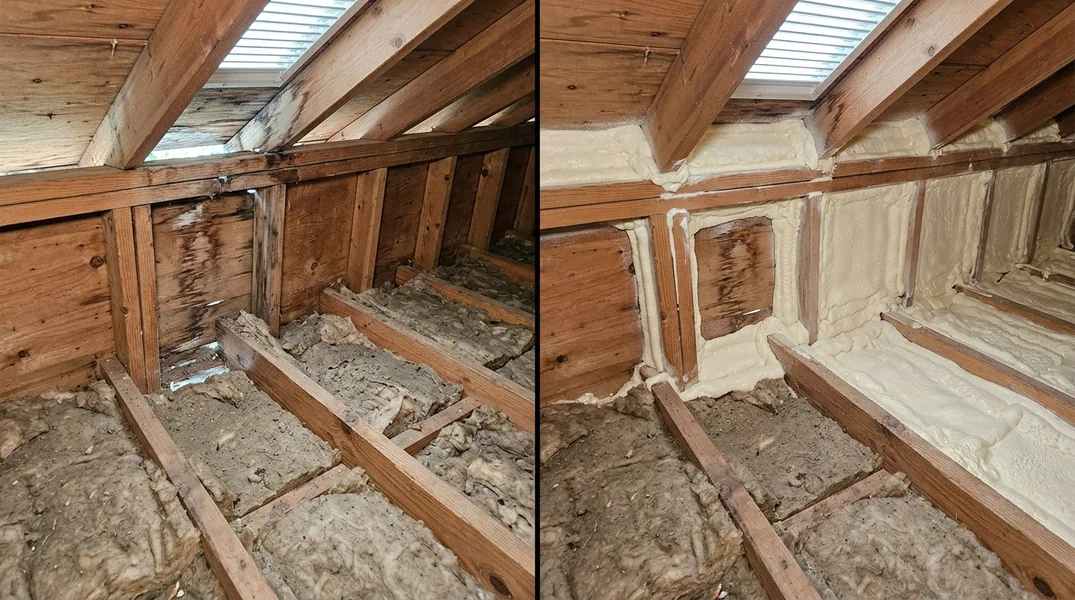
Beyond moisture control, crawl space spray foam provides superior thermal performance. Cold floors, a common complaint in homes with inadequate crawl space insulation, occur because heat escapes through the floor assembly into an uninsulated or poorly insulated crawl space. By applying spray foam directly to the rim band, band joists, and walls of your crawl space, you create a thermal envelope that keeps conditioned air inside your home where it belongs. Homeowners in Richlands and throughout the region have reported noticeably warmer floors and lower heating and cooling costs after upgrading their crawl space insulation with spray foam.
Pier and Beam Insulation: Why Your Foundation Type Matters
Many older homes in the Jacksonville area were built on pier and beam foundations, a construction method that leaves significant space between the ground and your home's floor joists. While this design provides excellent ventilation in some climates, it's problematic in Climate Zone 3A's humid environment. Pier and beam insulation requires a different approach than slab-on-grade or basement foundations because the entire underside of your home is exposed to outdoor air, soil moisture, and temperature swings.
Crawl space spray foam is particularly effective for pier and beam homes because it can be applied to the underside of the floor system, creating a protective barrier that seals the space while maintaining structural integrity. This approach prevents moisture from wicking up through the rim joists and into your walls, which is a leading cause of hidden mold problems in older homes. Jacksonville Spray Foam Insulation specializes in pier and beam insulation solutions that address the unique geometry and ventilation requirements of these foundations, ensuring your home remains protected year-round.
The Moisture Control Advantage in Jacksonville's Climate
Jacksonville experiences average humidity levels between 70 and 80 percent, with summer months often pushing above 85 percent. This persistent moisture load makes crawl space vapor management non-negotiable. Traditional vented crawl spaces were designed for drier climates where outside air could be used to dry out the space. In your climate, vented crawl spaces actually make the problem worse by allowing humid outdoor air to enter and condense on cooler surfaces inside the crawl space.
By sealing and insulating your crawl space with spray foam, you eliminate the need for vents and create a conditioned, controlled environment. This approach, known as a sealed or encapsulated crawl space, prevents moisture from entering in the first place. The result is healthier indoor air quality, reduced HVAC strain, and protection against the mold, mildew, and structural damage that plague so many homes in humid climates. When you invest in proper crawl space insulation, you're not just improving comfort; you're protecting your home's long-term structural integrity and your family's health.
Cold Floors Insulation: Solving the Comfort Problem
One of the most noticeable signs of inadequate crawl space insulation is cold floors, especially in bedrooms and living areas directly above the crawl space. This discomfort typically worsens during fall and winter months, but in Climate Zone 3A, even mild winters can feel uncomfortable when your floors are drawing heat away from your living space. The root cause is simple: air infiltration and thermal bridging through the rim band and band joists, combined with an uninsulated or poorly insulated crawl space below.
Spray foam insulation addresses cold floors by creating a continuous thermal barrier that eliminates air leaks and thermal bridging. Unlike batts or blankets that leave gaps and compress over time, spray foam expands to fill every cavity, crack, and crevice. Homeowners report that after installing crawl space spray foam, their floors feel noticeably warmer, their heating bills drop, and their HVAC systems operate more efficiently. If you're experiencing persistent cold floors despite your thermostat settings, a free estimate from Jacksonville Spray Foam Insulation can help identify whether your crawl space is the culprit.
Crawl Space Spray Foam Insulation Cost in Jacksonville: What to Budget
Homeowners often ask about the cost of crawl space spray foam insulation, and it's a fair question. The investment varies based on the size of your crawl space, the extent of existing damage, whether encapsulation or vapor barriers are needed, and whether you choose Closed Cell Spray Foam Insulation or Open Cell Spray Foam Insulation. Closed-cell foam offers superior moisture resistance and higher R-value per inch, making it the preferred choice for humid climates like Jacksonville's. Open-cell foam is more affordable but less effective at moisture control, so it's typically recommended only in drier applications.
While upfront costs are higher than traditional fiberglass insulation, the long-term return on investment is substantial. Energy savings typically offset the initial expense within five to seven years, and you gain protection against costly moisture damage, mold remediation, and structural repairs that can easily exceed the cost of proper insulation. Jacksonville Spray Foam Insulation offers transparent pricing and detailed estimates so you understand exactly what you're investing in. Call (910) 554-3447 today to discuss your specific crawl space needs and get a customized quote for your home.
Looking for a professional spray foam insulation contractor in Jacksonville? Jacksonville Spray Foam Insulation responds fast for all your spray foam insulation needs.
Get a Free Quote