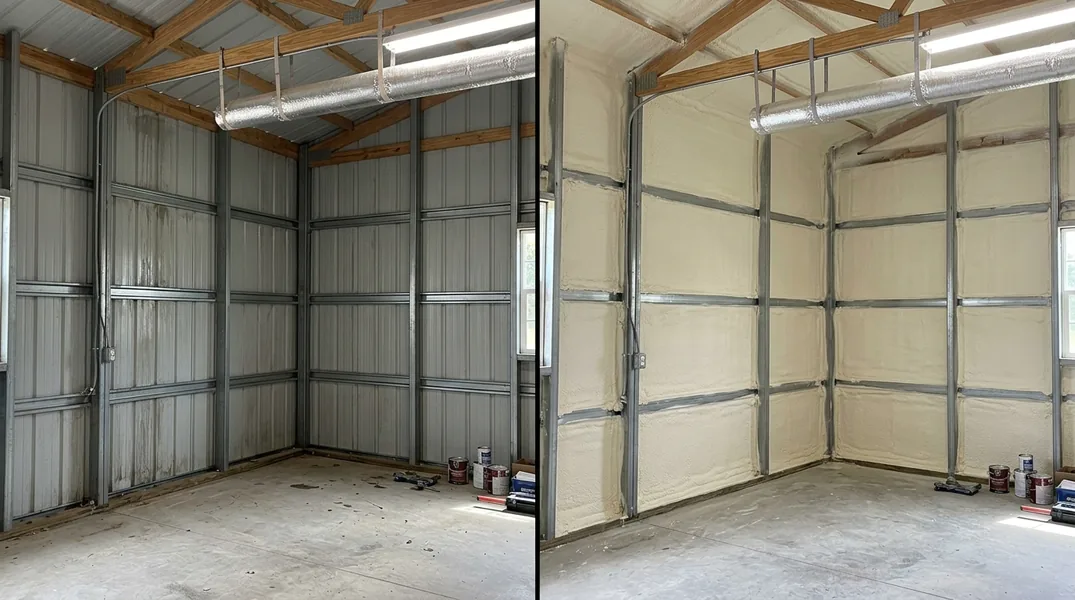
Understanding Vented Crawl Spaces in Richlands and Hubert
Vented crawl spaces have been a standard construction practice in Richlands and Hubert for decades, designed to allow air circulation beneath homes and prevent moisture buildup. However, the effectiveness of this approach has become increasingly debated among builders and homeowners alike. The theory behind vented crawl spaces is sound: ventilation reduces humidity and prevents wood rot and mold growth. In practice, though, vented crawl spaces often fail to deliver these benefits, especially in the humid climate of coastal North Carolina.
During summer months, warm, humid outside air enters vented crawl spaces through foundation vents, where it encounters cooler surfaces like water pipes and ductwork. This temperature difference causes condensation to form, which can lead to moisture problems, mold growth, and structural damage over time. Many homeowners in the area are discovering that their vented crawl spaces are actually working against them, introducing moisture rather than preventing it. Understanding this dynamic is crucial when deciding how to insulate your home and protect your investment for years to come.
Spray Foam vs Blown-In Insulation: Which Performs Better Below Grade
When it comes to insulating crawl spaces, the choice between spray foam and blown-in insulation can significantly impact your home's performance and longevity. Closed Cell Spray Foam Insulation has emerged as the superior choice for vented crawl spaces because it creates an air-tight seal that prevents both air infiltration and moisture intrusion. Blown-in insulation, while more affordable upfront, cannot seal gaps and cracks the way spray foam does. This means moisture and unconditioned air can still bypass blown-in materials, undermining their effectiveness in humid environments like those found in Jacksonville and surrounding areas.
Blown-in insulation also tends to settle over time, particularly in horizontal applications like crawl space floors, which reduces its R-value and effectiveness. Spray foam, by contrast, maintains its R-value and structural integrity indefinitely. Additionally, spray foam's air-sealing properties mean you'll experience better temperature control throughout your home, lower energy bills, and improved indoor air quality. For homeowners in Richlands and Hubert dealing with persistent moisture issues, spray foam insulation delivers results that blown-in materials simply cannot match.
Spray Foam vs Fiberglass: Why Fiberglass Falls Short in Crawl Spaces
Fiberglass insulation has long been the default choice for homeowners seeking an economical insulation solution, but it performs poorly in crawl space applications, particularly in humid climates. Fiberglass batts and rolls are hygroscopic, meaning they absorb and retain moisture. When moisture penetrates fiberglass (which is easy, since it has no air-sealing properties), the material becomes saturated and loses its insulating value. Worse, damp fiberglass creates an ideal environment for mold and mildew growth, posing potential health risks to your family.
Unlike fiberglass, Closed Cell Spray Foam Insulation is hydrophobic and resists moisture absorption entirely. It also provides superior air sealing, which prevents the humid air from entering your crawl space in the first place. For homeowners in Hubert and Richlands dealing with crawl space moisture, switching from fiberglass to spray foam can be transformative. The initial investment is higher, but the long-term protection of your home's structure and your family's health makes it a worthwhile upgrade.
Spray Foam vs Cellulose: Durability and Moisture Resistance
Cellulose insulation is made from recycled paper and is often touted as an eco-friendly alternative to traditional materials. However, cellulose shares a critical weakness with fiberglass: it absorbs moisture readily and loses its insulating properties when wet. In a vented crawl space where moisture intrusion is a constant concern, cellulose insulation is particularly vulnerable. Once saturated, cellulose can develop mold, settle unevenly, and create conditions favorable for pest infestations.
Closed Cell Spray Foam Insulation outperforms cellulose in every critical metric for crawl space applications. It resists moisture, maintains its R-value indefinitely, provides excellent air sealing, and creates a barrier against pests and rodents. While cellulose may seem like a greener choice, spray foam's superior durability means fewer replacements over your home's lifetime, reducing waste and long-term environmental impact. For homeowners in Jacksonville and surrounding communities, this is a crucial distinction when planning a crawl space insulation project.
Best Insulation for Attic and Crawl Space Integration
Many homeowners focus exclusively on attic insulation when thinking about home efficiency, but the truth is that crawl spaces contribute significantly to your home's overall thermal performance and moisture control. The Attic Spray Foam Insulation you install works in concert with your crawl space insulation strategy. If your crawl space is vented and uninsulated, or insulated with materials that allow moisture infiltration, you're fighting an uphill battle with your attic insulation efforts.
A comprehensive approach involves sealing and insulating both spaces with spray foam to create a continuous thermal and moisture barrier. This integrated strategy is the best insulation approach for homes in Richlands, Hubert, and Jacksonville. When spray foam seals your crawl space and your attic, you eliminate the pathways that allow unconditioned air and moisture to move through your home. The result is superior energy efficiency, better humidity control, and a more comfortable living environment year-round.
Attic Spray Foam Insulation Near Me: When to Call a Professional
If you're a homeowner in Jacksonville or the surrounding areas dealing with moisture problems, high energy bills, or an uncomfortable home environment, it's time to consult with insulation professionals who understand your region's unique challenges. Jacksonville Spray Foam Insulation specializes in spray foam solutions for both attic and crawl space applications, with deep knowledge of how coastal North Carolina's humidity affects home performance.
A professional assessment can identify whether your vented crawl space is contributing to moisture and energy problems in your home. Our team can evaluate your current insulation, discuss the pros and cons of spray foam versus other materials, and recommend a solution tailored to your specific situation. Whether you need Closed Cell Spray Foam Insulation for moisture control or Open Cell Spray Foam Insulation for sound dampening and cost savings, we have the expertise to deliver results. Contact Jacksonville Spray Foam Insulation today at (910) 554-3447 to schedule your free estimate and take the first step toward a more efficient, healthier home.
Looking for a professional spray foam insulation contractor in Jacksonville? Jacksonville Spray Foam Insulation responds fast for all your spray foam insulation needs.
Get a Free Quote